Is AI art actually art?
a case for ai art and artists
Every few years, something new forces us to rethink what we call art. Photography did it. Digital painting did it. Even abstract expressionism shook people at first. Now we are here again, except the catalyst is AI – and the question people keep returning to is simple:
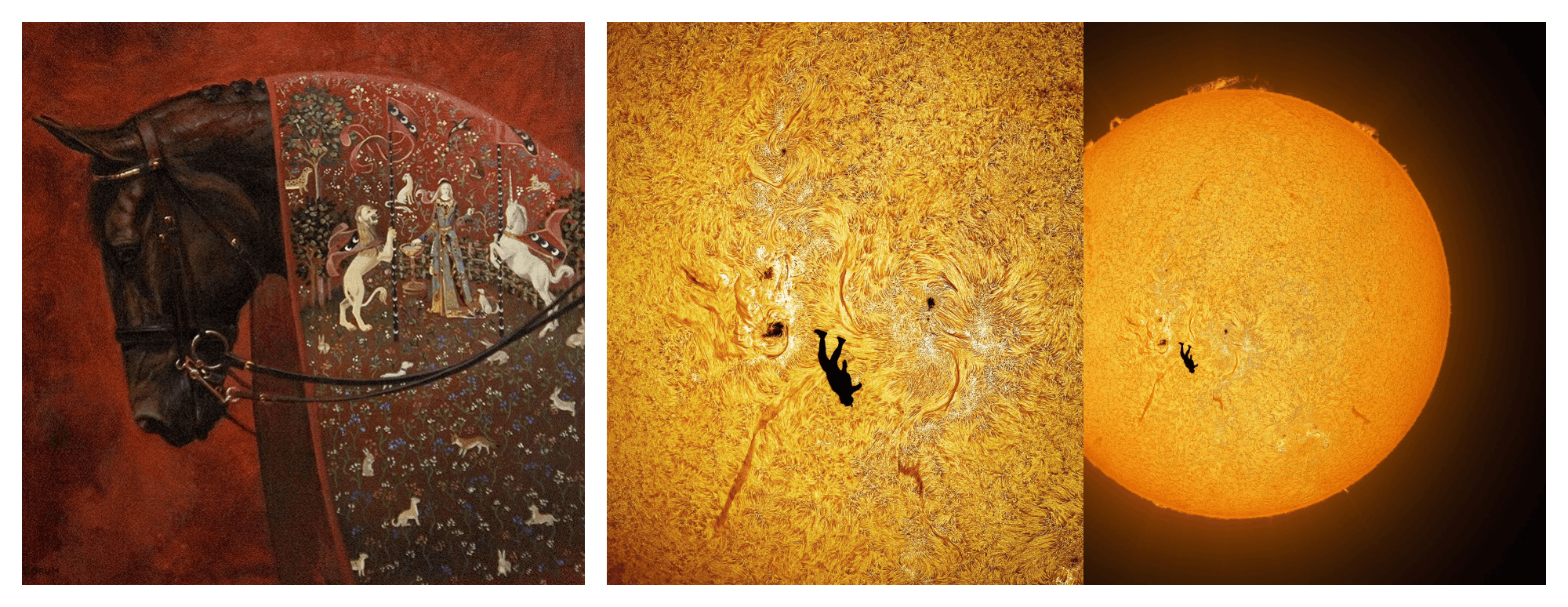
Non AI Art: [Left] The Red Tapestry by Jaime Corum [Right] The Fall of Icarus by Andrew McCarthy
Acknowledging the real limitations of AI art
This conversation is not complete without honesty. AI models are trained on human created works, often without explicit permission. Some outputs closely echo the styles of real artists. And some AI images are shallow, derivative or lacking in intention.
These concerns are valid. They deserve serious discussion.
But these problems do not automatically disqualify every AI generated image from being considered art. They raise ethical questions, not definitional ones.
I don't know how to do this, but I think artistes should get royalty when the system uses their style in an obvious way.
Is AI art actually art?
A few days ago, I got into an exchange on X (formerly Twitter) about an AI-generated album cover. The design featured cultural elements familiar to Nigerians – plates marked with album details, arranged beautifully. Many people loved it at first. Then they discovered it was AI-made, and their admiration suddenly turned to dismissal.
One response said: “AI = low effort. You are only typing prompts. It’s very easy.”
It’s true that AI reduces the effort required to generate an image. But “reduced effort” is not the same thing as “no effort,” and getting genuinely good results is not as easy as people assume. More importantly, the effort argument itself is shaky.
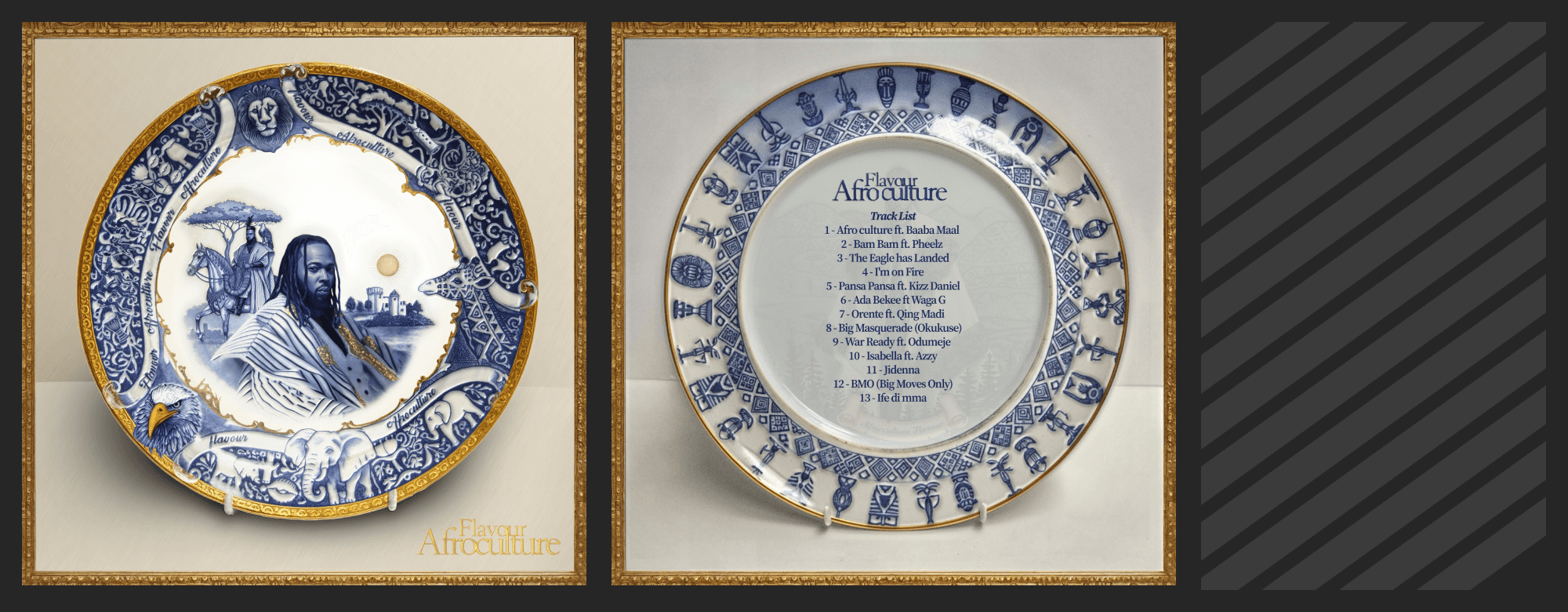
Album art by TG Omori
The effort argument doesn’t hold up
One of the most common criticisms of AI art is that true art must require serious skill, training and effort. But if that were a universal rule, much of art history would collapse under it.
Some painters achieve brilliance through intuition rather than technique. Some modern and minimalist works are executed with surprising simplicity. None of these lose their artistic status because they appear easy.
And historically, effort has never been the metric that decides what counts as art. A minimalist painting can be a single line across a canvas, yet it is considered art because of its intention and conceptual meaning. Meanwhile, a highly technical engineering drawing, despite requiring far more effort, is rarely seen as art.
So effort alone clearly is not the boundary.
This becomes even more obvious when we look at how new mediums became accepted. When photography emerged in the 1800s, many painters dismissed it as mechanical mimicry with no artistry. Yet photography eventually became fully recognized as art because viewers could see intention, composition and emotional expression. AI sits in a similar historical moment. The tool is new, not the underlying principles of creation.
Another argument: “AI is derivative.”
This is another strong objection – and importantly, one with real ethical weight.
People say AI art is not art because it is derivative, trained on the work of others, shaped by the aesthetics of existing artists. But here’s the uncomfortable truth:
Human art is also derivative. At the very least, it starts that way. Every artist begins by copying. You admire how someone paints, sings, draws, composes, photographs. You imitate them. Then you imitate someone else. You mix influences. And if you do it long enough, something of your own begins to emerge.
This idea is not new. It is the core thesis of Austin Kleon’s Steal Like An Artist – the belief that originality often comes from stealing widely and combining influences in ways only you can. It’s the reason we always ask great artists who their influences are. It’s the reason every movement in art has a lineage. It’s the reason you can trace stylistic DNA across centuries.
Humans are derivative too — we just do it slowly and across a lifetime. AI compresses that process into a machine, at a scale and speed we’ve never seen. That scale raises serious ethical questions, yes. But “derivative” alone is not the knockout blow people think it is, because art has always been built on what came before. Heck! Science too – everything, in fact.
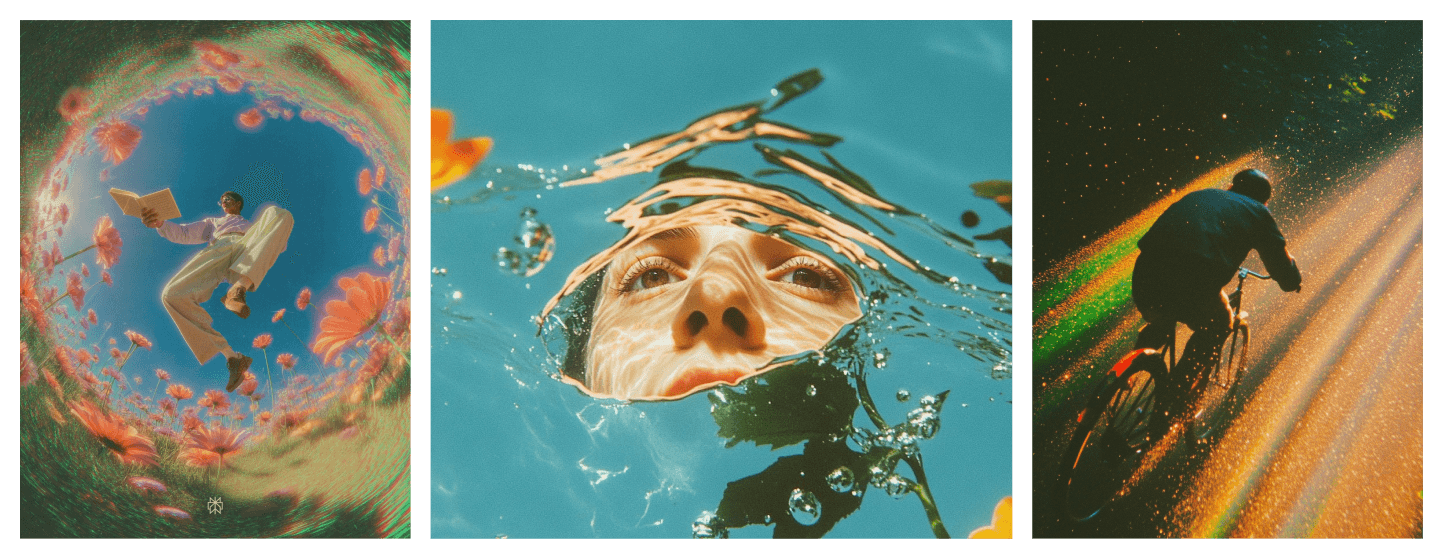
AI generated by Phi Hoang
So what defines art?
At the core, art is shaped by intention and interpretation. Philosophers like Arthur Danto and George Dickie argue that art is not defined by the medium or the labor involved but by the creator’s intent and how society interprets the work.
Some cars are art. Others are not. Some drawings are art. Others are not. Some sounds are music. Others are noise.
This boundary has always been wide and flexible. So the idea that AI cannot fit inside it simply because the tool reduces effort does not hold up.
Is AI art always low-effort?
This is the second common objection: “It’s just prompting. You type something and the model does the rest.”
Sometimes that is true. If you type “an alien world,” you’re outsourcing the entire vision to the model, and the result is usually generic mush. But that is not the only way to use AI.
AI is a tool, just like Photoshop, Figma, Blender, a camera or a paintbrush. Some creators accept the first result. Others work intentionally, refining prompts, adjusting lighting cues, modifying compositions, rejecting dozens of outputs and blending images manually until the final piece matches their mental picture.
Someone with a clear mental image will not accept whatever the model churns out the first time. They will refine relentlessly. If the model cannot deliver what they want, they will reject it completely.
Their imagination – not the model – is the driving force. For intentional creators, AI is simply a translation layer between the mind and the canvas.
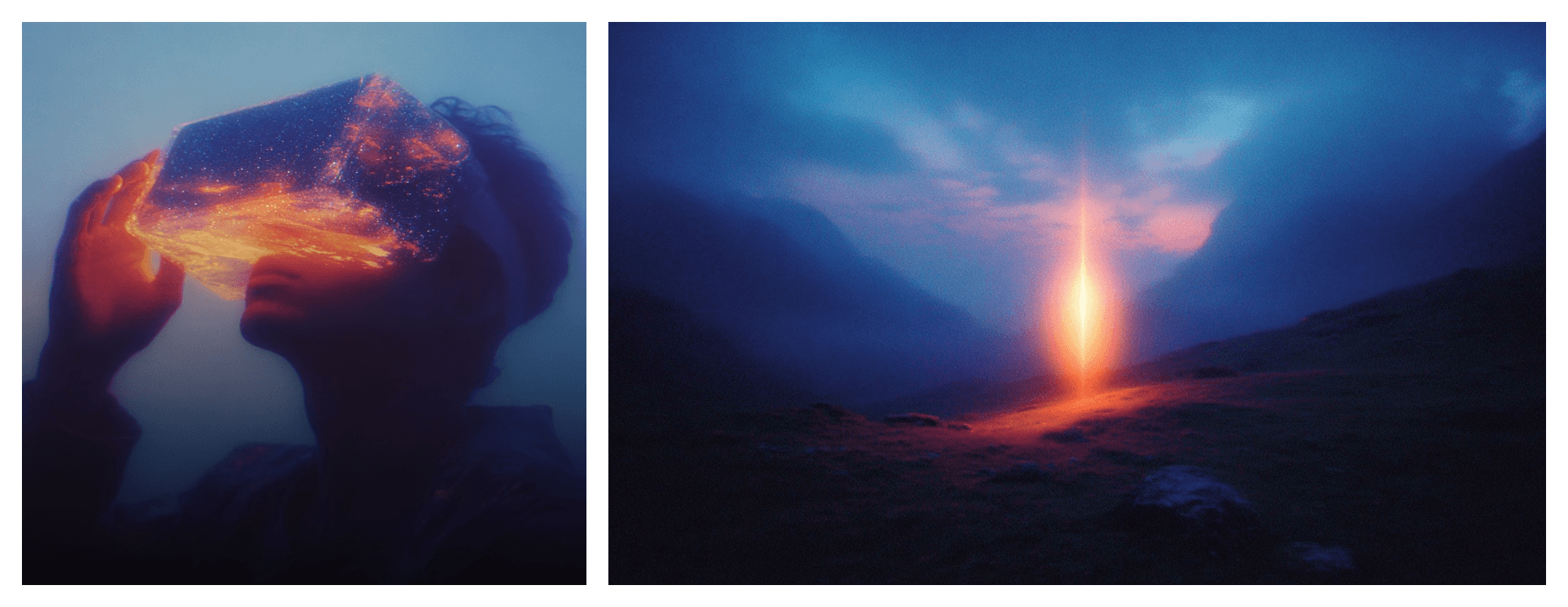
AI generated by Kuba
A quick return to the anecdote
What struck me about the Twitter exchange was not the disagreement but the speed at which people switched opinions. They loved the artwork until they discovered it was AI generated. The colors did not change. The composition did not change. The cultural symbols did not change.
The only thing that changed was the tool.
That sudden reversal reveals more about our discomfort with new creative methods than anything about the image’s artistic value.
Final thoughts
Just as not all drawings are art, not all AI images are art. Many are not. But some creators will use AI with intention, sensitivity and taste. They will direct it the same way an artist directs a camera or a brush. And viewers can often tell the difference.
So here is the real test:
If you did not know an image was made with AI, would you have considered it art?
And if discovering it was AI suddenly changes your answer, then the tool may not be the problem. Your definition of art might simply need to evolve.